
Reviewed · FAMAGUSTA GHOST CITY TOURS
A Day Trip to Medieval FAMAGUSTA (Kyrenia, Nicosia or Famagusta )
Famagusta gives you a full day of Cyprus in miniature: a saint’s tomb, a ruined Greek city, a Gothic cathedral turned mosque, and an abandoned resort quarter frozen by the events of 1974. The most striking part is Varosha, where empty hotels and homes recall the city’s former life as a major beach resort.
I like the private format, since your group of up to four can set the pace and ask questions without sharing a vehicle with strangers. I also like the range of stops, especially the pairing of ancient Salamis with medieval Famagusta. The main drawback is the price, $360.07 per group, and the day involves several hours of sightseeing on foot, so it suits you best if you have moderate physical fitness.
Key points to know before booking
- Varosha adds a modern political story to a day otherwise focused on ancient and medieval Cyprus.
- St. Barnabas includes both a monastery museum and the saint’s tomb, with about two hours for the visit.
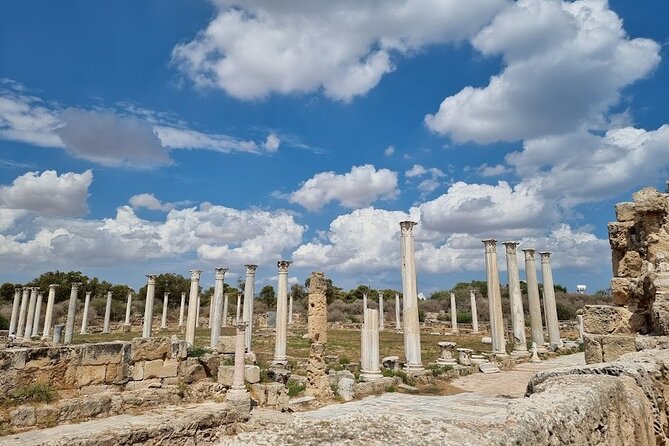
- Salamis brings Greek and Roman ruins together, including a gymnasium, theatre, and Roman baths.
- Guide Sirin is a major part of the experience, with strong praise for her history knowledge and warm local connections.
- The private vehicle and hotel pickup save planning time, especially when crossing between several northern Cyprus sights.
- Lunch is not included, and pickup arrangements can vary by starting city and hotel.
Why this route works so well in one day
This is not a simple Famagusta city walk. The route moves from religious history to ancient archaeology, then into medieval streets and the modern story of a divided island. That range gives you useful context before you reach Famagusta itself.
The seven-hour schedule is fairly full but sensible. St. Barnabas receives about two hours, Salamis about one hour, and the Famagusta stops roughly another three hours in total. The remaining time covers driving between Kyrenia, the east of Cyprus, Salamis, Famagusta, and your hotel.
The private arrangement matters here. You have a driver-guide rather than a large coach and a fixed group timetable. If your party wants more time at the Gothic cathedral or fewer minutes at a particular ruin, you can discuss it with the guide. The listed program gives you a framework, but the private setup allows a more personal day.
Guide Sirin is named in the feedback, with one person spelling her name Surin. She is praised for making history easy to follow, adding humor, and taking the group to a local restaurant for lunch. That last detail is useful, but lunch is not part of the listed price, so plan to pay separately.
More Famagusta and Varosha day trips:
- Ghost-Town Famagusta Mini Bus Tour from Protaras and Ayia Napa
★ 4.5 · 298 reviews - Full-day Famagusta: Lost Cities & Coastal Secrets from Paphos
★ 4.5 · 274 reviews - Red Bus Varosha experience in English from Ayia Napa, Protaras
★ 4.5 · 88 reviews
St. Barnabas Monastery and the saint’s hidden tomb
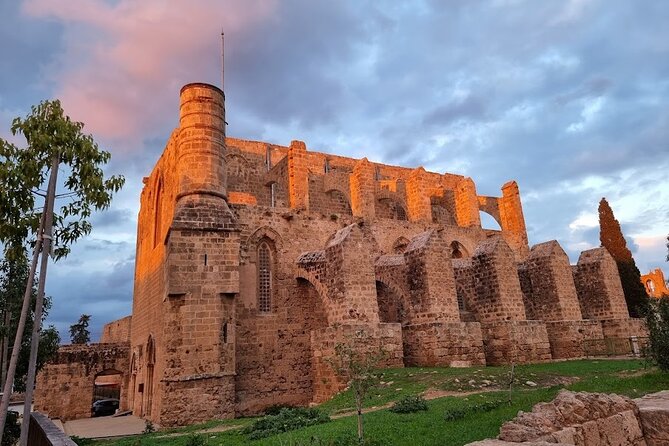
The first major stop is St. Barnabas Monastery and Icon Museum, where you spend about two hours. The site connects religious art, local tradition, and the early spread of Christianity in Cyprus.
Barnabas was Jewish and went to Jerusalem for advanced study. After accepting Christianity, he returned to Cyprus and began teaching. According to the story told at the site, opponents killed him, and believers buried him in a cave beneath a carob tree. Later persecution drove those followers away, and the location of the burial was forgotten for decades.
Your guide explains how the tomb was eventually found, then takes you to see it. That makes this more than a quick look at a church building. You get the story behind the site and a chance to connect the monastery with the early Christian past of the island.
The Icon Museum adds another layer. You can expect religious artwork and an explanation of its role in Cypriot worship. The two-hour stop is generous compared with the one-hour visits later in the day, so this is the place to ask questions if religious history interests you.
A practical point: this opening visit sets the tone for the day, but it may feel less engaging if you mainly want ruins and city streets. The guide’s storytelling makes a difference here. Sirin’s ability to explain the story of Barnabas is one reason this stop works well in a private tour.
Salamis, where Greek legend meets Roman remains
From St. Barnabas, the route continues to the Salamis ruins. The site’s legendary founding is linked to Teucer, a hero of the Trojan War. After being sent away from the Greek island of Salamis, he sailed to Cyprus and gave the new kingdom the same name.
You have about one hour to explore the ancient site with your guide. The main sights include the gymnasium, theatre, and Roman baths. Those remains help you picture Salamis as a functioning city rather than a collection of scattered stones.
The gymnasium and baths show the public side of Roman life, while the theatre gives you a sense of entertainment and civic gatherings. Your guide adds the historical links between the Greek foundation story and the later Roman presence.
One hour is enough for the main highlights, but it is not a slow archaeological study. If you like reading every inscription or photographing every column, you may find the time short. The advantage is that the schedule keeps the day moving and leaves room for the old city and Varosha.
Wear comfortable shoes and expect to walk over uneven ground. The tour requires a moderate level of physical fitness, and Salamis is one of the stops where that matters most.
Walking through Famagusta’s medieval walls
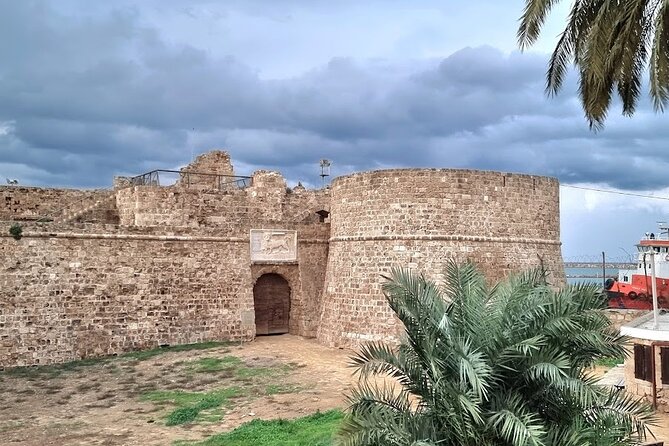
Famagusta’s walled city is the heart of the afternoon. Lusignan rulers built the original defenses, and the Venetians later added to them. The streets hold traces of several periods of Cyprus history, with churches, civic buildings, fortifications, and Ottoman changes close together.
A walking tour of about one hour gives you a focused introduction rather than a long, unstructured wander. You pass major landmarks and learn how the city changed hands and purpose over time.
The old town is especially useful for understanding why Famagusta once mattered so much. Its walls were not decorative. They protected a major port and city, and the surviving architecture reflects the wealth and strategic value of the place.
The tour is free of an extra admission charge for the walled-city walk. That helps keep the day’s price clearer, since tickets for the historical sites are included elsewhere in the package.
A few more Cyprus days to weigh up
- NORTHERN CYPRUS ALL-IN-ONE Private Day Trip from Nicosia
★ 5.0 · 89 reviews - Aphrodite’s Birthplace, Lefkara & Kourion Day Trip from Paphos
★ 4.0 · 20 reviews - Paphos: Aphrodite’s Birthplace, Lefkara & Kourion Day Trip
★ 4.1 · 9 reviews - Day Trip to the Paphos amazing sides from Limassol.
★ 5.0 · 6 reviews
Lala Mustafa Pasha Mosque and its Gothic past
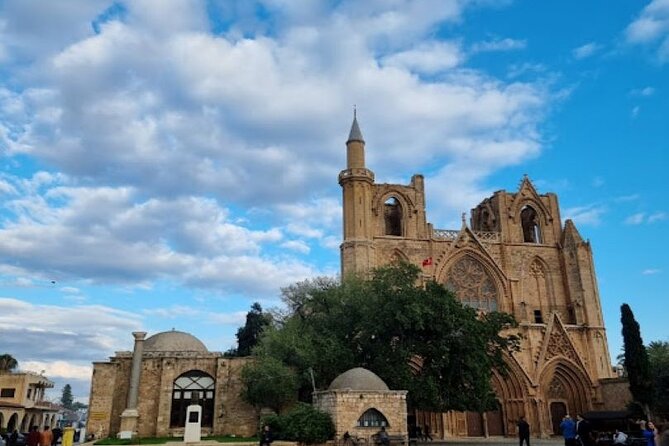
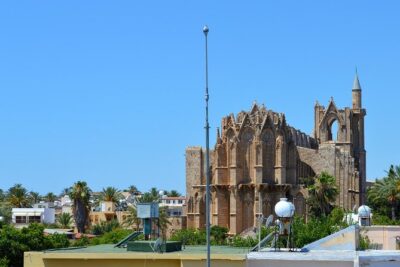
The most impressive building in the old city is Lala Mustafa Pasha Mosque, originally built as St. Nicholas Cathedral between 1298 and 1312. Its Gothic design reflects the period when the Lusignan rulers were crowned as kings of Jerusalem.
After the Ottoman conquest of Cyprus, the cathedral was converted into a mosque. A minaret was added, and the building was first known as Ayasofya before taking its current name.
This change of function is one of the most revealing details on the tour. You are not looking at a building with one fixed identity. The cathedral and mosque show how Cyprus absorbed French Gothic, crusader-era politics, and Ottoman religious life in the same urban space.
Look for the Ficus sycomorus tree beside the building. It is said to date to 1299, adding a living detail to the stone architecture. The tree is easy to overlook if you are focused only on the facade, so this is the sort of small fact worth hearing from a guide.
The visit is listed at about one hour and has no separate admission charge. Since the mosque is still used for worship, follow your guide’s instructions about respectful behavior and access.
Namık Kemal’s prison in the Venetian palace
The next stop introduces a different side of Ottoman Famagusta. Namık Kemal, a writer opposed to the Sultan, was exiled to Famagusta and spent 38 months there.
His prison is located within the Venetian palace. You can also see his statue in the square named after him. The statue was replaced in 1953, another detail that helps connect the site to more recent civic history.
This stop is smaller and more personal than the mosque or ancient ruins. It shows how Famagusta served not only as a port and military stronghold, but also as a place of exile. If you enjoy literature or political history, you may find this one of the more memorable stops.
The visit takes about an hour, and your guide explains Namık Kemal’s life and books. There is no extra admission charge listed for the museum.
Varosha, the abandoned quarter of Famagusta
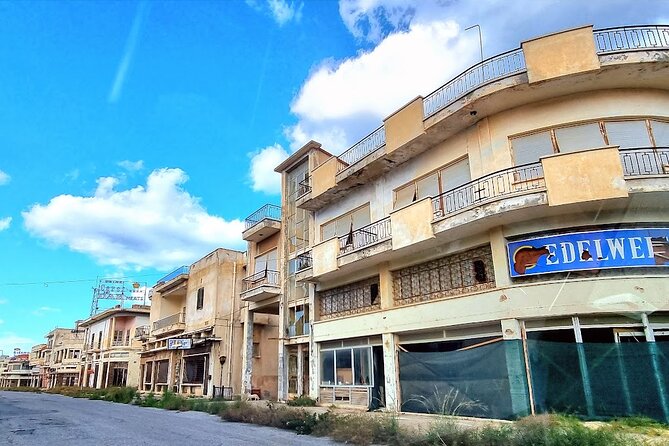
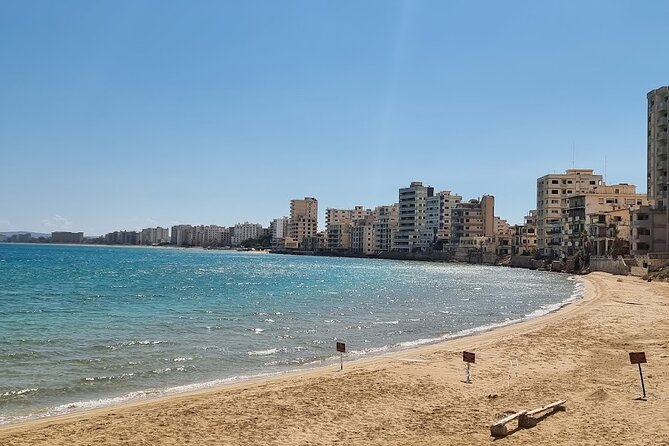
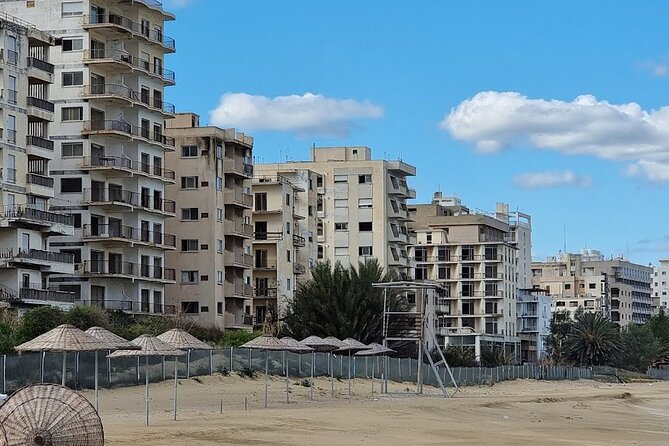
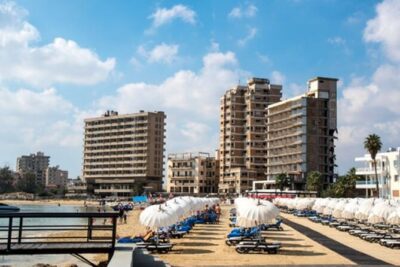
Varosha is the emotional center of the day. Before 1974, it was a popular resort area filled with hotels, houses, visitors, and businesses. After the events of that year, it was abandoned. The area reopened after 46 years, allowing people to walk through part of the former resort quarter.
The contrast is hard to miss. Famagusta’s old town shows centuries of continued use, while Varosha reflects a sudden break in modern life. Empty buildings and the story of a resort that stopped functioning give the guide plenty to explain about Cyprus’s recent past.
You spend about an hour walking in the area with the guide. The tour does not treat Varosha as just a strange photo stop. Sirin is particularly praised for explaining the quarter’s background and putting the abandoned buildings into context.
This is also the stop most likely to affect you emotionally. If you prefer tours that stick to art and archaeology, the political history may feel heavy. If you want to understand present-day Cyprus, Varosha is essential.
Because access and conditions in a formerly restricted area can change, listen carefully to your guide and follow local rules during the walk. The provided details confirm access to the area, but they do not specify every current restriction.
The private vehicle, pickup, and daily rhythm
Pickup is offered from centrally located hotels in Kyrenia, and the tour information also refers to pickup in Famagusta and Nicosia. The included details specify selected hotels in Kyrenia or Famagusta, while pickup from other cities may cost extra. Confirm your exact hotel and starting city before paying.
The listed meeting point is Bella View Art Boutique Hotel in Ozankoy, with the activity generally starting between 9:30 and 10:00 in the morning. The day ends back at the meeting point or with drop-off at your hotel, depending on the arrangement.
Fuel, bottled water, a driver-guide, private transport, and historical-site tickets are included. Lunch is not. Since the schedule crosses a large part of northern Cyprus, having transport arranged is a real benefit. You do not need to coordinate separate taxis or work out the order of the stops yourself.
The price is $360.07 for a group of up to four. For four people, that works out to about $90 per person before lunch. For one or two people, the cost is much less attractive, but the private vehicle and guide may still justify it if you value convenience and personal attention.
The tour is offered in English and uses a mobile ticket. Confirmation is received at booking. Most bookings are made well ahead of time, with an average lead time of 35 days, so you should not assume last-minute space will be available.
Who will get the most from this Famagusta day trip
I would choose this tour if you want several layers of Cyprus history in a single day and prefer a private guide to a large group. It works particularly well for couples, families, and small groups of friends who can share the $360.07 cost.
You should also choose it if Varosha interests you. That part of the visit gives the day a modern purpose, while Salamis and the old city provide the ancient and medieval setting.
The tour is less suitable if you want a relaxed beach day or long, unhurried time at one archaeological site. The schedule is active, and the walking at Salamis and Famagusta calls for reasonable mobility.
Cancellation deserves attention before you book. The experience is non-refundable and cannot be changed for any reason. That strict rule makes it important to be certain about your dates, pickup location, and group size.
Should you book this tour?
Book it if you want Famagusta explained rather than simply photographed. The strongest combination is the private guide, the unusual Varosha visit, and the way St. Barnabas, Salamis, the Gothic mosque, and Namık Kemal’s prison connect different periods of Cyprus history.
I would be more cautious if you are traveling alone and trying to keep costs low, since the group price offers the best value with four people. For a small group that wants transport, admission, an English-speaking guide, and a full day of context, this is a well-focused way to see eastern northern Cyprus.
FAQ
How long does the Famagusta day trip last?
The experience lasts about seven hours, including transfers and sightseeing.
What places are visited?
The route includes St. Barnabas Monastery and Icon Museum, Salamis ruins, Famagusta’s walled city, Lala Mustafa Pasha Mosque, Namık Kemal’s prison and museum, and the abandoned Varosha quarter.
Is hotel pickup included?
Pickup and drop-off are included for selected centrally located hotels in Kyrenia and Famagusta. Pickup from other cities may involve an extra cost, so confirm the arrangement for your hotel.
Can travelers from Nicosia join the tour?
The tour information refers to pickup in Kyrenia, Nicosia, or Famagusta. The included pickup details specifically mention selected hotels in Kyrenia or Famagusta, so travelers starting in Nicosia should confirm any additional charge.
Is this a private tour?
Yes. Only your group participates, with a maximum of four people per booking.
Is lunch included?
No. Lunch is not included in the price. The guide may take your group to a local restaurant, but you pay for lunch separately.
Are admission tickets included?
Tickets for the historical sites are included. The walking visits to Famagusta’s walled city, Lala Mustafa Pasha Mosque, Namık Kemal’s site, and Varosha are listed without an additional admission charge.
What language is the tour offered in?
The tour is offered in English.
Is the tour suitable for anyone with limited mobility?
A moderate level of physical fitness is required. The itinerary includes walking through Salamis and Famagusta, but the supplied information does not specify accessibility arrangements.
Recently added around Cyprus
- Relaxing Adults-only Blue Lagoon Catamaran Trip from Protaras★ 3.5 · 17 reviews
- Cyprus Wines Tasting in Larnaca city with Transfers from Ayia Napa and Protaras★ 5.0 · 6 reviews
- Private Scuba Diving Experience in Cyprus★ 5.0 · 13 reviews
- The Mermaid Cruise by Medusa Cruises – 2:30-Hour Family Adventure★ 5.0 · 11 reviews
- Guided snorkeling trip to the turtles in Protaras★ 4.5 · 13 reviews
- Sunset Boat Trip to Cape Greco and Blue Lagoon★ 4.0 · 8 reviews
- San Antonio Ruby Sunset Cruise from Protaras★ 4.5 · 8 reviews
- San Antonio Premier Sunset Adults Only Cruise from Protaras★ 5.0 · 6 reviews
Famagusta Ghost City Tours, compared.
Ghost-Town Famagusta Mini Bus Tour from Protaras and Ayia Napa
Read our review →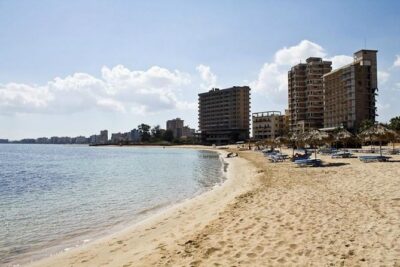
Full-day Famagusta: Lost Cities & Coastal Secrets from Paphos
Read our review →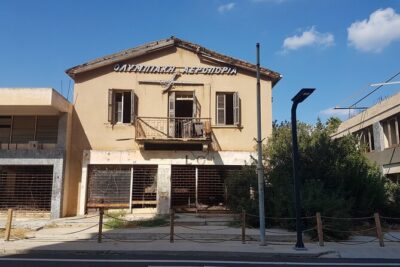
Red Bus Varosha experience in English from Ayia Napa, Protaras
Read our review →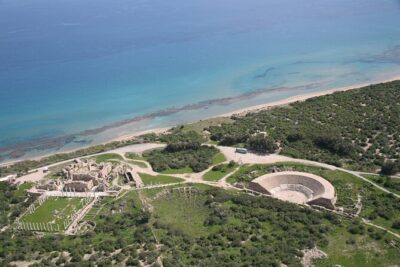
Day Tour to Famagusta, Ghost Town & Ancient Salamis
Read our review →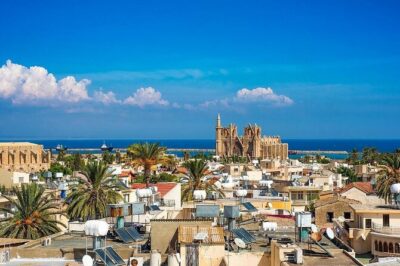
Famagusta and Blue Lagoon Jeep Safari from Protaras
Read our review →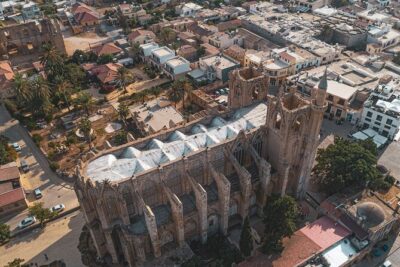
From Nicosia and Kyrenia: Famagusta & Kyrenia as Circular Tour
Read our review →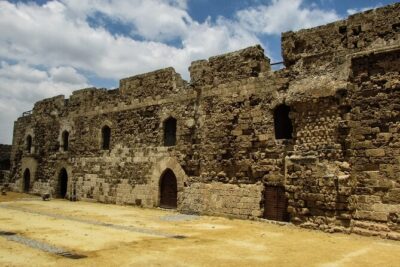
Browse the lists this tour appears in